
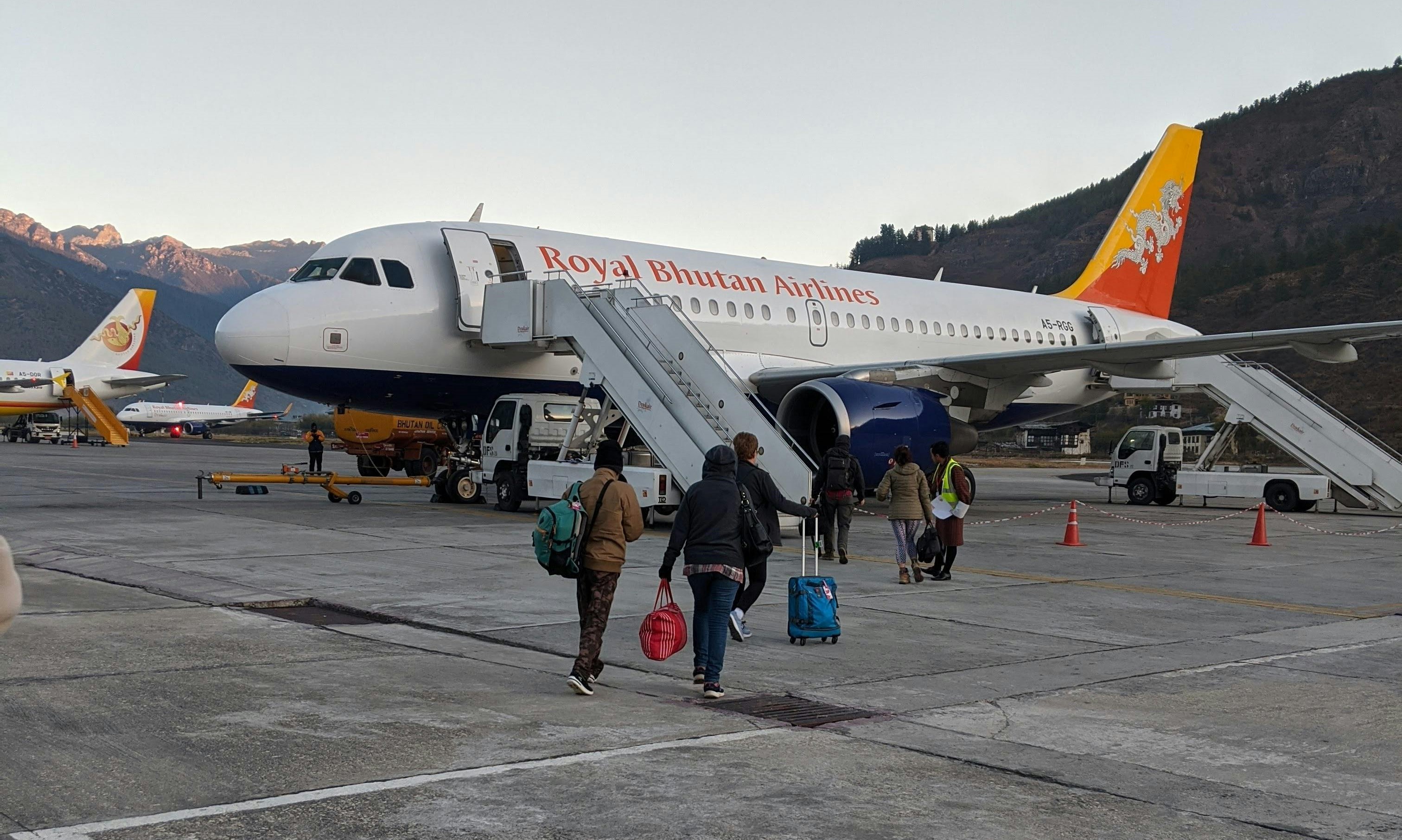
Day 1: Arrival and Thimphu Exploration
Upon arrival at Paro International Airport, your guide will warmly
welcome you. Take a scenic drive to Thimphu, Bhutan’s capital, and check
into your hotel. Enjoy authentic Bhutanese cuisine, then visit National
Memorial Chorten and Tashichho Dzong.
End the day at Buddha Point, admiring the 169-foot bronze Buddha
Dordenma and panoramic valley views.
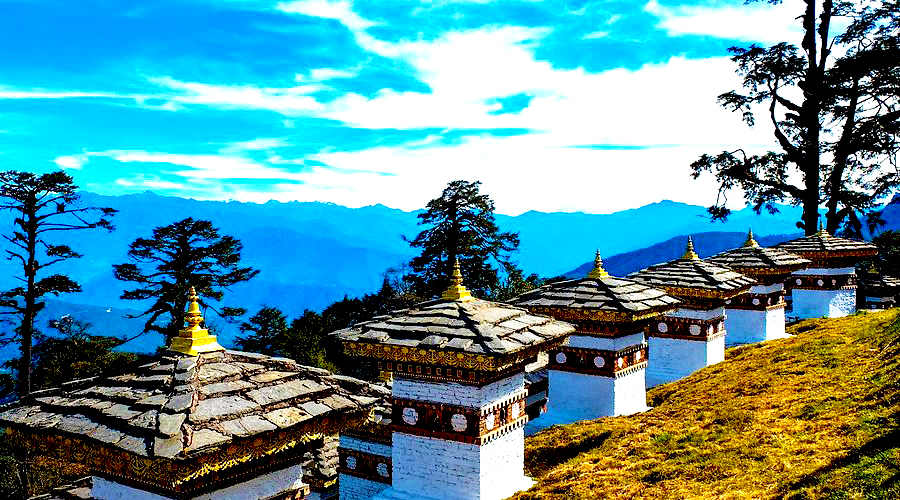
Day 2: Journey to Punakha
After breakfast, drive to Punakha through lush forests and scenic
valleys. Stop at Dochula Pass with its 108 stupas, offering Himalayan
views. Visit Chhimi Lhakhang temple through charming villages and
terraced fields.
Arrive in Punakha to explore the Punakha Valley, taking in the serene
river views and historic dzong architecture, while enjoying the peaceful
rural landscape.
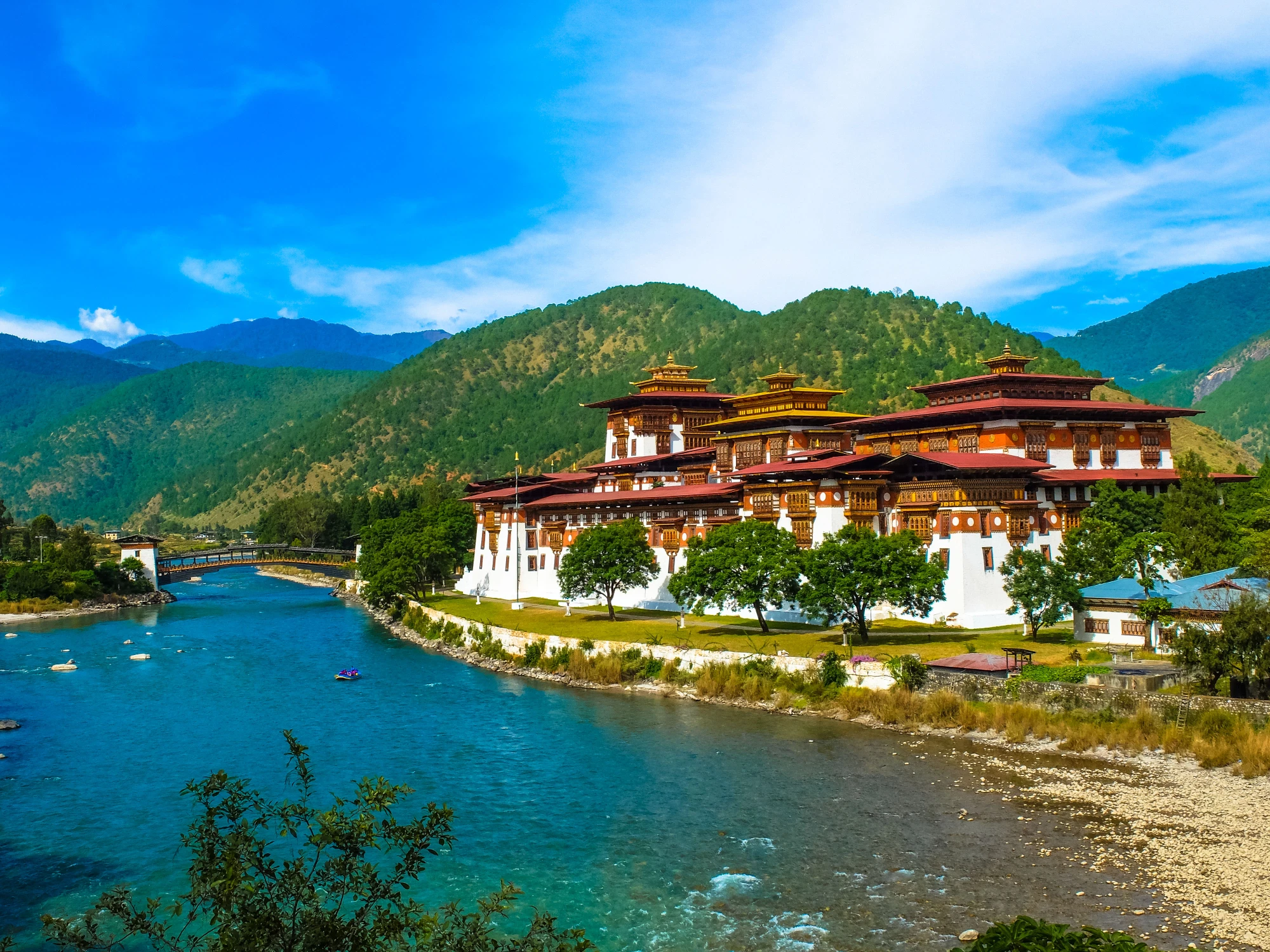
Day 3: Punakha to Trongsa
Travel to Trongsa through dramatic landscapes and historical landmarks.
Pause at Wangdue Phodrang to admire its dzong perched above river
confluences. Visit Chendebji Chorten, a 19th-century stupa symbolizing
triumph of good over evil.
Continue through scenic mountain passes and lush valleys, arriving in
Trongsa, a historic gateway to central Bhutan, rich in heritage and
traditional architecture.
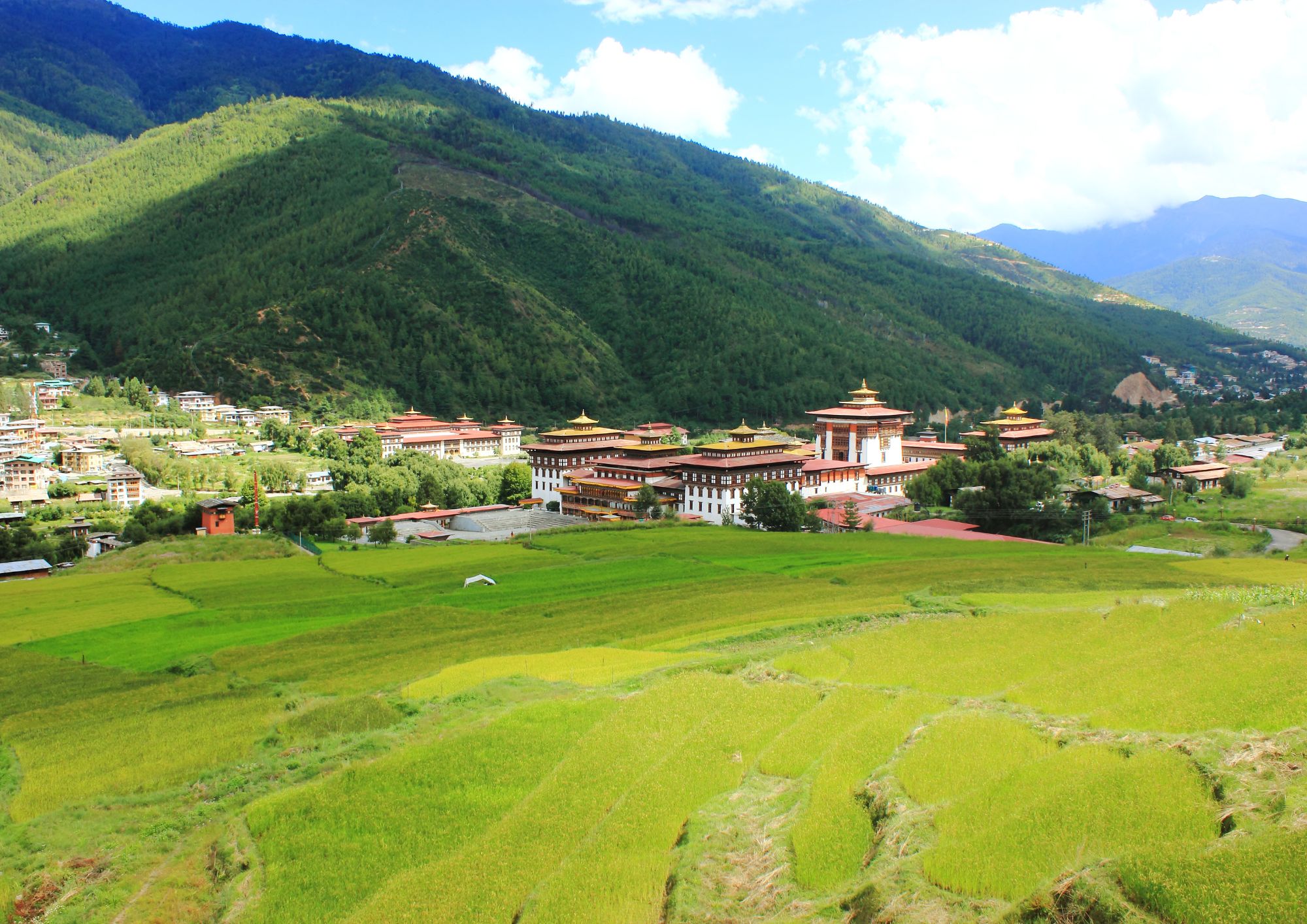
Day 4: Bumthang and Spiritual Sights
Spend the day in Bumthang, exploring sacred monasteries and cultural
landmarks. Witness Ura Yakchoe Festival preparations, visit Tamshing
Goemba, Kurjey Lhakhang, and Jambay Lhakhang.
Stroll through Thangbi Valley to Thangbi Lhakhang, enjoying rustic
trails, suspension bridges, and valley vistas. Return to your
accommodation amid serene landscapes, soaking in the spiritual ambiance
of central Bhutan.
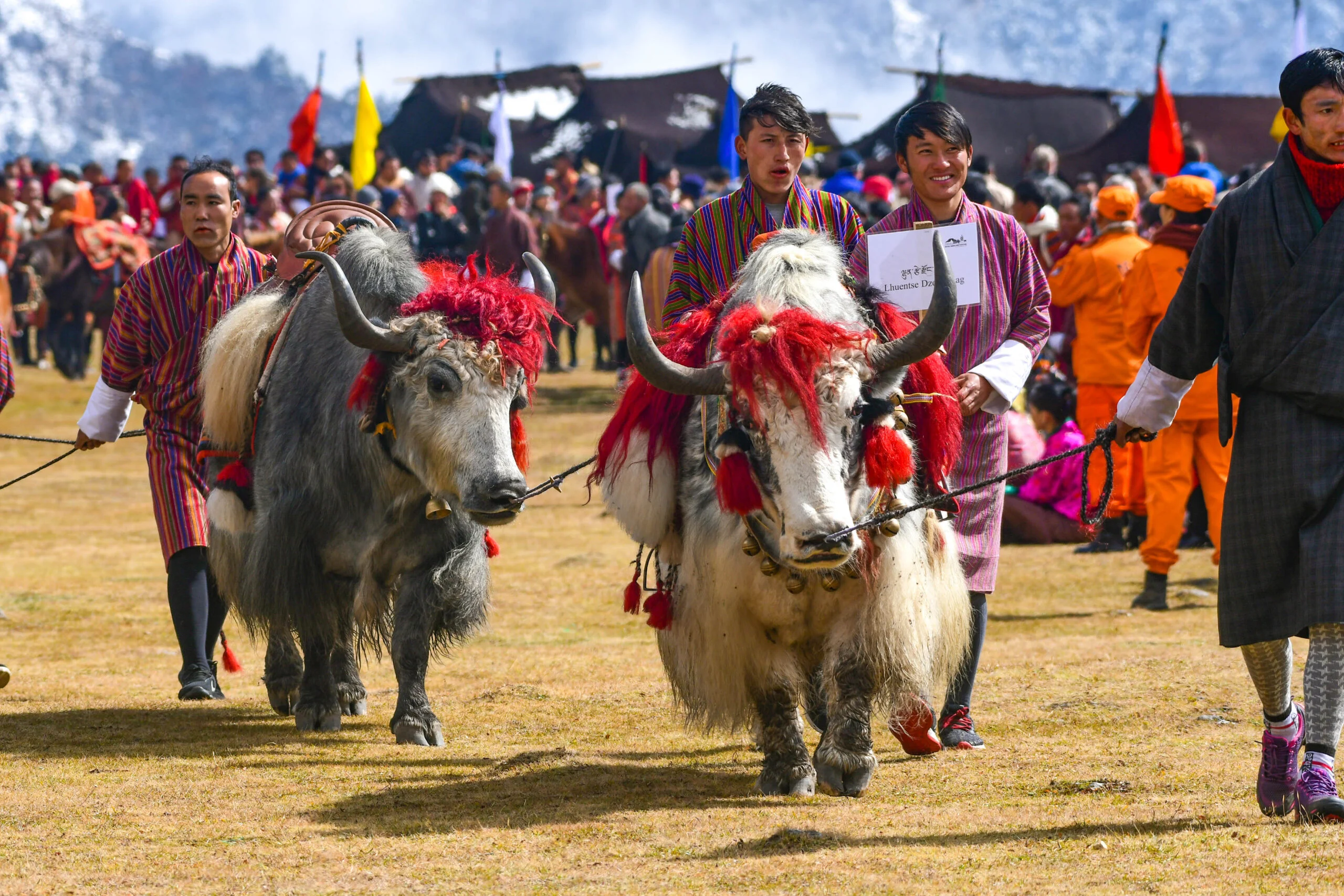
Day 5: Ura Valley & Festival
Take a day trip to Ura Valley, experiencing rural Bhutanese life.
Witness the Ura Yakchoe Festival with masked dances, rituals, and
vibrant displays.
Visit Ura Monastery and observe the sacred relic connected to the legend
of the mysterious lama. Enjoy the colorful celebrations and community
devotion set against lush meadows and traditional villages, immersing
fully in Bhutanese culture.

Day 6: Bumthang to Gangtey
Travel west to Phobjikha Valley, famed for Black-Necked Cranes. Visit
Gangtey Gonpa monastery, perched above the valley, and explore
surrounding pine forests and nature trails.
Spot cranes in their natural habitat and observe local customs. Spend
the evening enjoying valley serenity, watching the sunset over the
glacier-fed landscape, and experiencing traditional village life
harmoniously blending with nature.
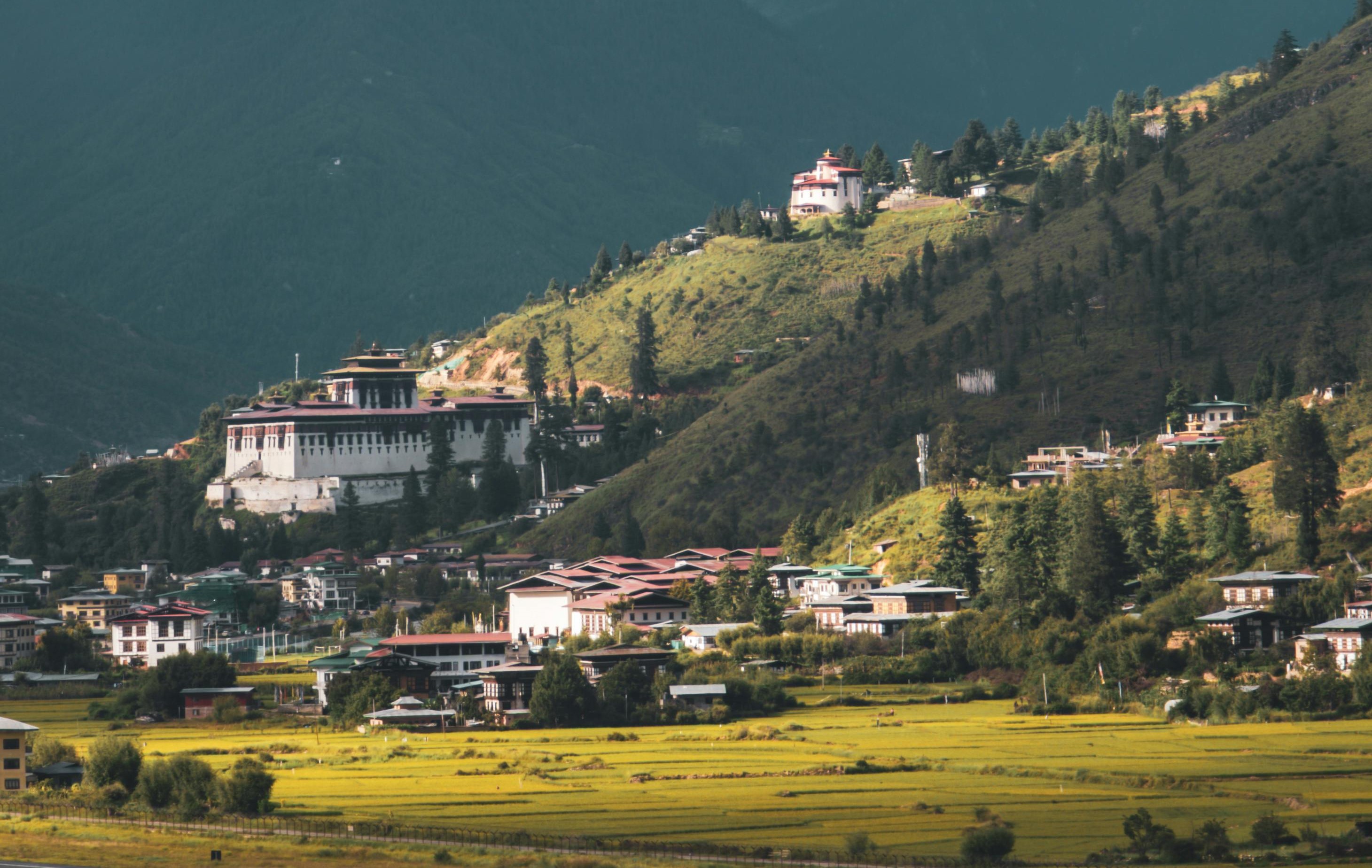
Day 7: Return to Paro
Journey back to Paro Valley, with stops at cultural landmarks and
monasteries along the way. Explore the lush valley and enjoy scenic
views of Mount Chomolhari.
In Paro, visit historic sites, then take a leisure evening stroll
through the town, experiencing traditional shops, local crafts, and the
peaceful Himalayan atmosphere before checking into your hotel for dinner
and rest.
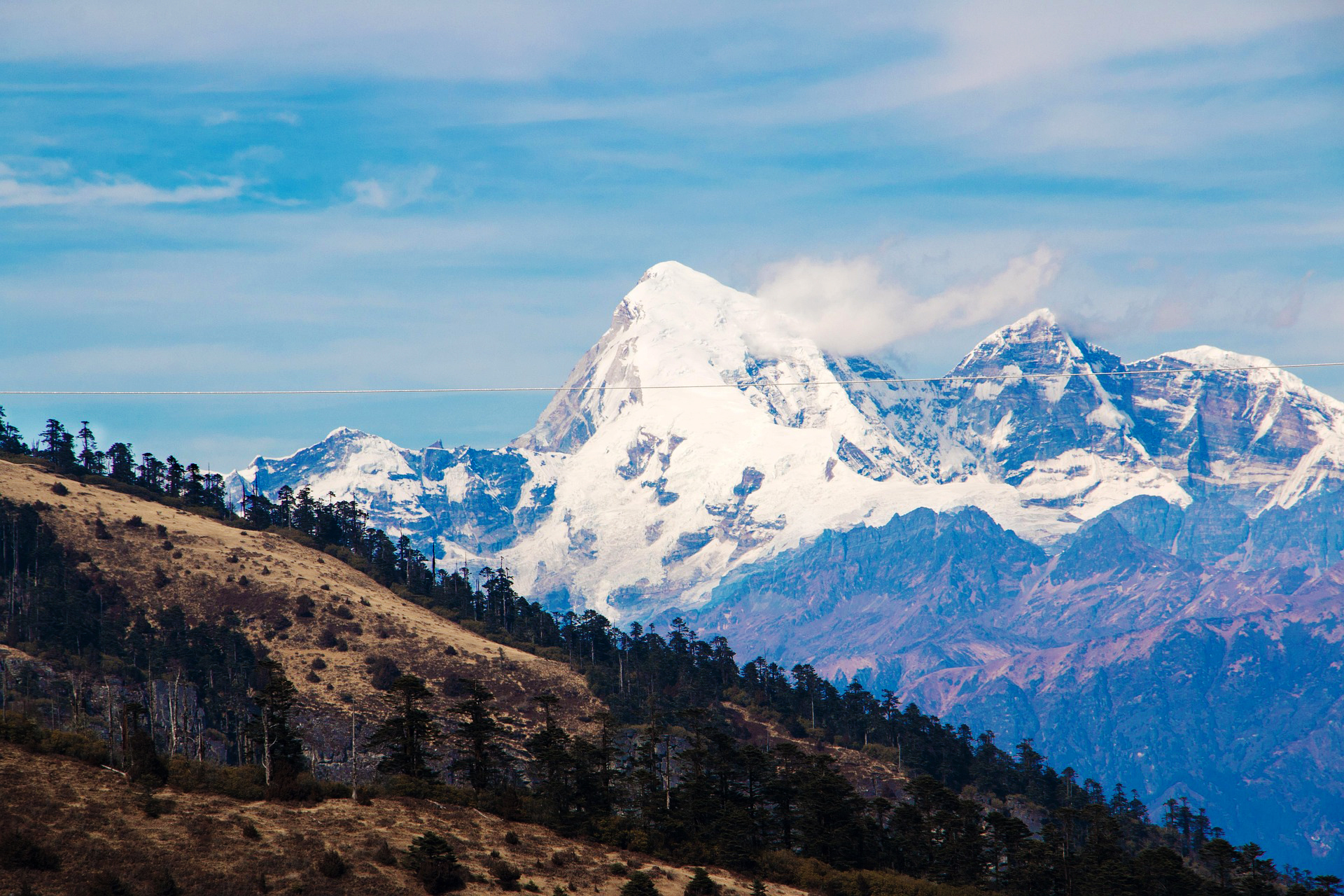
Day 8: Paro to Haa via Chele La Pass
Cross Chele La Pass, one of Bhutan’s highest motorable passes, and enjoy
panoramic views of Paro and Haa valleys. Stop for a picnic and photo
opportunities at the pass.
Explore Katsho Village and Katsho Lhakhang in Haa, observing rural life
and spiritual devotion. Return to Paro in the evening for an overnight
stay, reflecting on the day’s scenic journey.
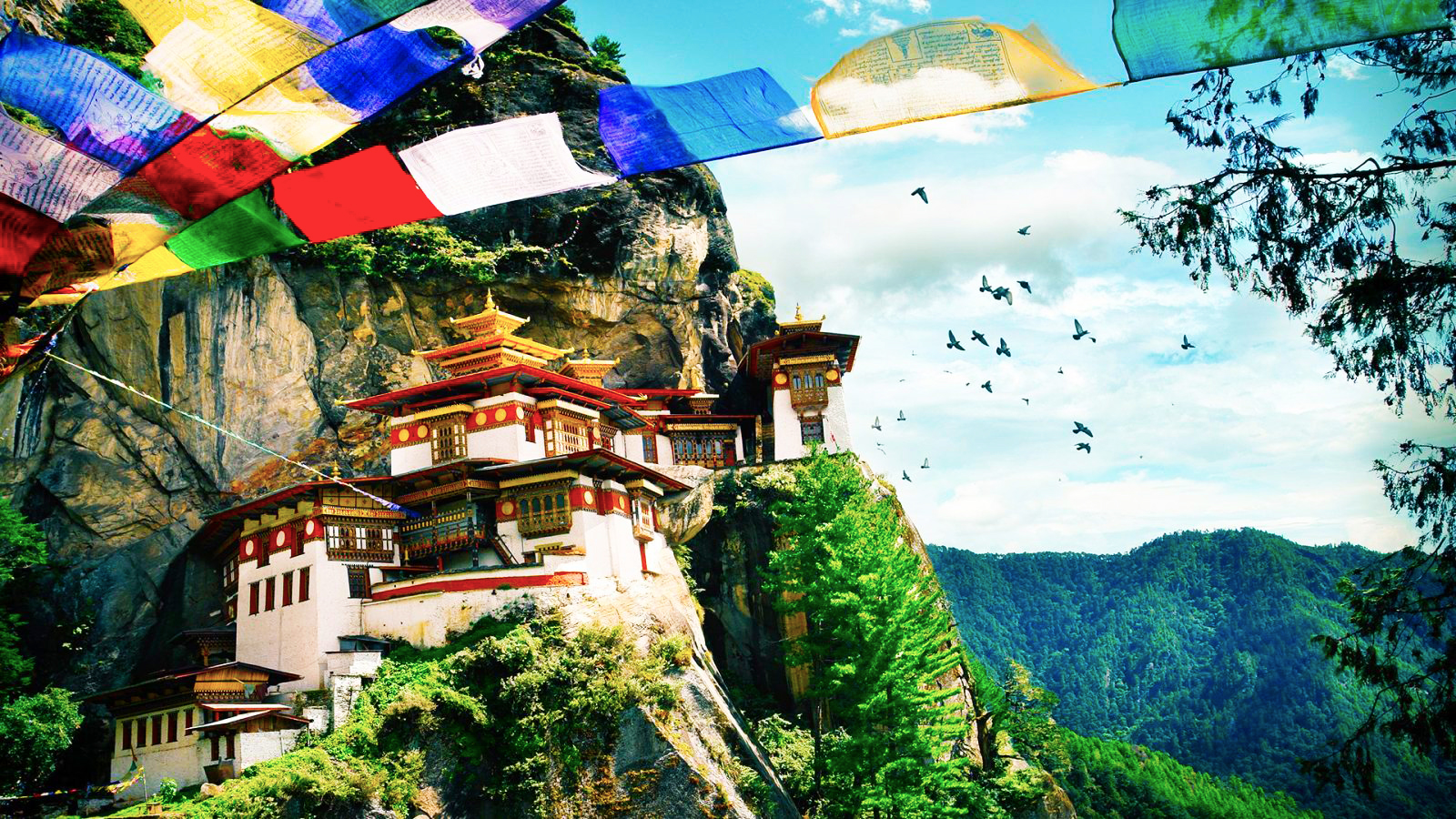
Day 9: Paro: Drukgyel Dzong & Tiger’s Nest
Visit Drukgyel Dzong ruins and learn its historical significance. Hike
to Taktsang Monastery (Tiger’s Nest), enjoying cliffside views and
fluttering prayer flags.
Pause at the cafeteria viewpoint for panoramic vistas of Paro Valley.
Conclude with a visit to Kyichu Lhakhang, a thousand-year-old temple,
immersing in Bhutanese spirituality, architecture, and natural
surroundings, before returning to your hotel.
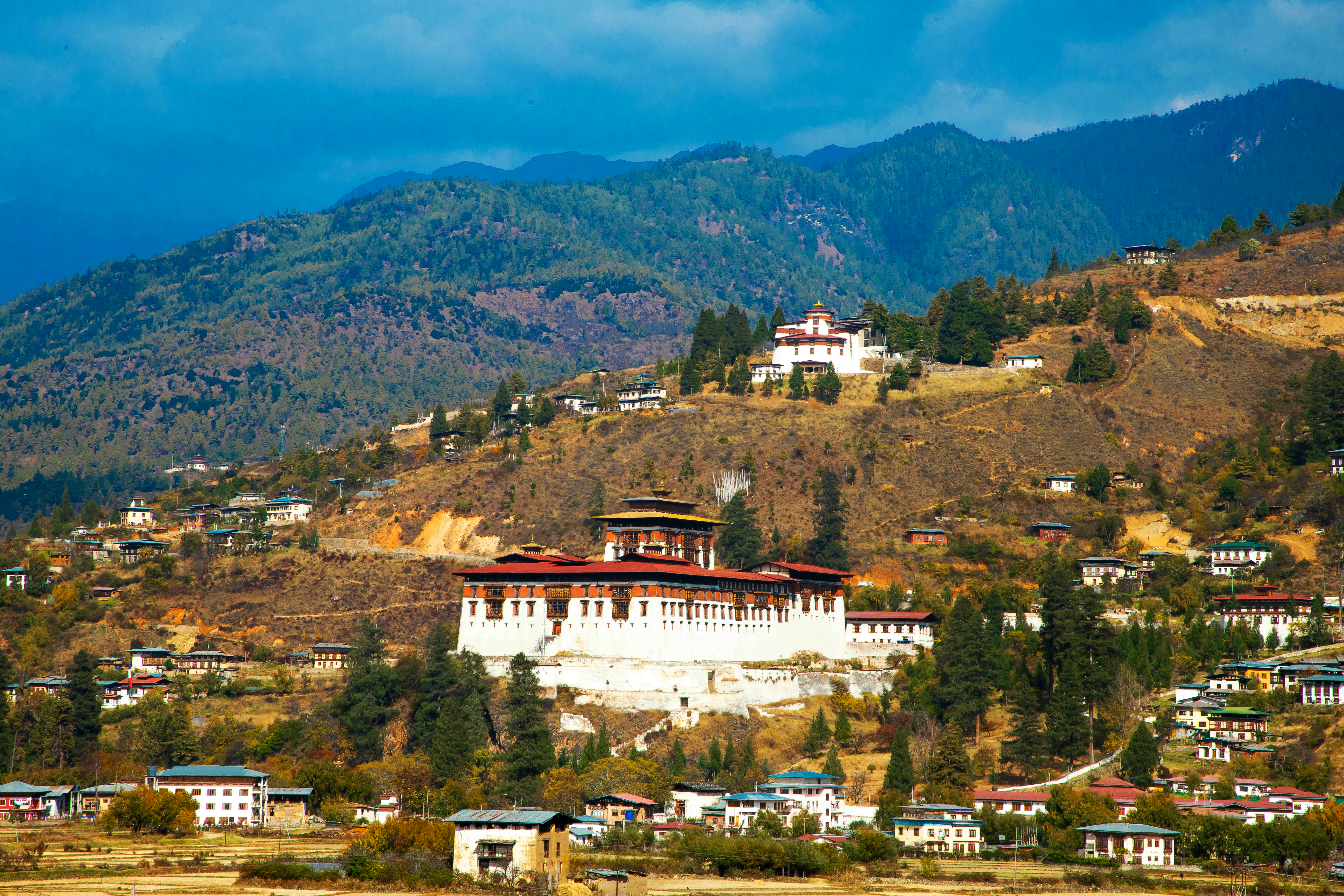
Day 10: Departure
After breakfast, transfer to Paro International Airport for your onward
flight.
Reflect on unforgettable festival experiences, mountain vistas, historic
sites, and local interactions. Depart with lasting memories of Bhutan’s
spiritual and cultural richness, the vibrant Ura Yakchoe Festival, and
the warmth of its people. Tashi Delek!